Innovation & Entrepreneurship Portfolio
Coursework
Duke’s I&E Certificate aims to teach students how to take a venture from idea to action through a mix of integrative courses and hands on-experience.
For my courses, I took the following:
1) EGR 101L Engineering Design and Communication (Elective)
2) I&E 352 Strategies for Innovation and Entrepreneurship
3) I&E 271 Building and Sustaining a Successful Enterprise (Elective)
4) I&E 499 Capstone: New Ventures Develop
SmartProduce Pitch Deck
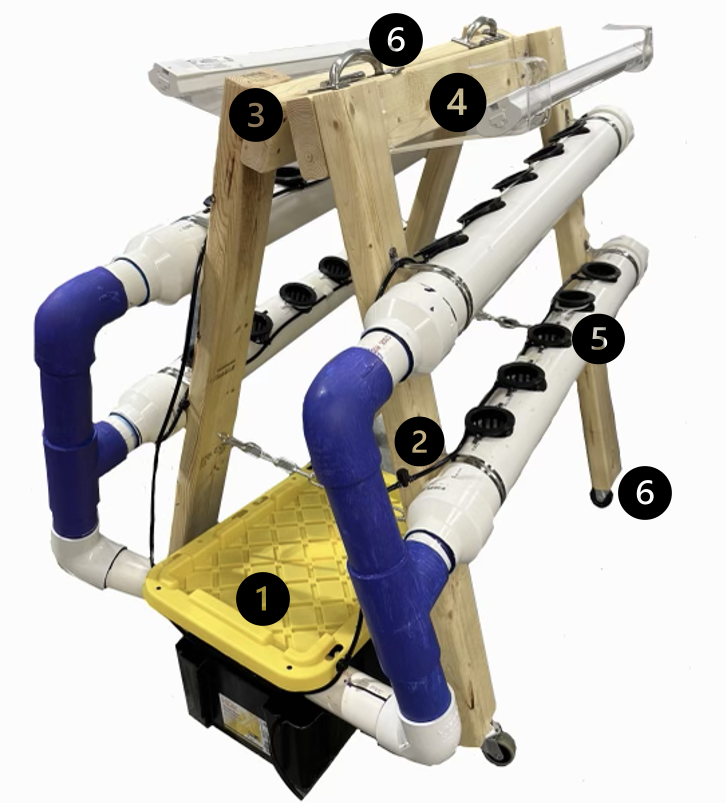
Hydroponic garden built in EGR 101 course
Starting with my EGR 101 course, this is where I learned the foundations of being an engineer, and how being an engineer really means being a structured innovator. In this course, we practiced all stages of problem solving: identification, market research, design criteria, prototyping and testing (poster description and project explanation). Ultimately, I learned that being able to tackle a problem with structure was an invaluable skill, especially in entrepreneurship. My second elective was I&E 271, which I took as a part of a selective cohort of student through Duke in Silicon Valley, an immersive experience aimed to teach students about how to build a startup. Through this experience, I worked with a team to developed strategic growth recommendations for Research Triangle Park Foundation through rigorous market analysis, stakeholder interviews, and competitive benchmarking against global innovations hubs. My experience through this course and Silicon Valley provided an invaluable exposure to startup culture, and taught me the importance of value identification and product-market fit.
In I&E 352, I studied how ventures create value ethically, sustainably, and profitably by analyzing cases through Harvard Business Reviews and creating venture pitches myself. The first venture I created was SmartProduce, an an AI-driven product that inspects produce for impurities, and indicates to farmers whether the produce can be sold. In this pitch, I presented the market validation, business strategy, product technicality and a financial breakdown. The next venture I helped create was MyRoots, an AI voice recording kit that enables families to preserve memories and stories from their loved ones. Ideating on both of these ventures taught me the importance of having a reasonable financial analysis and pricing structure, especially emphasizing that subscription-based ventures are the most successful.
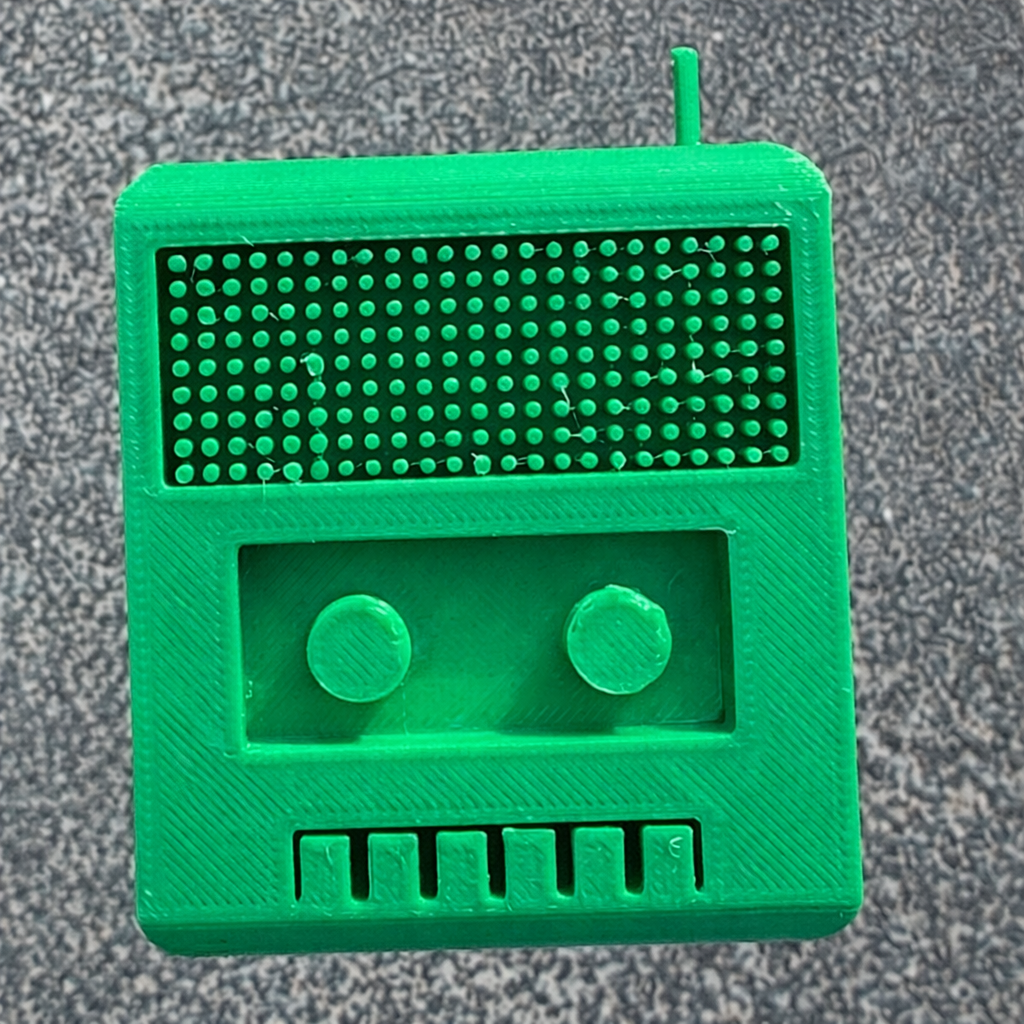
3D-printed prototype of My Roots device I made for pitch presentation to Duke alumni
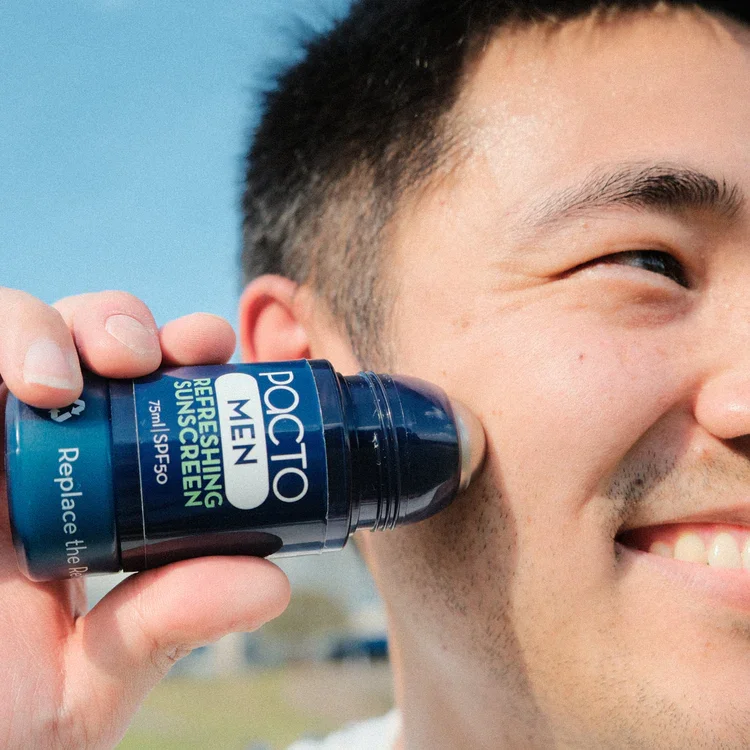
As part of my final course for I&E, I am working for a startup Pacto, a company dedicated towards developing reliable, sustainable products within men’s health. While receiving hands-on aid from professors and our cohort of classmates, I am working with a team to grow Pacto from a startup to sustainable venture. By applying the foundational concepts I learned in my other courses, I have conducted rigorous customer discovery, market analysis and competitive benchmarking. With the goal of pushing myself to learn something new, I am leading the marketing of Pacto, leading the instagram and TikTok by securing partnerships and recruiting influencers. It is one thing to ideate on a startup, or learn about entrepreneurial practices, but having to make decisions when money and the pressure of failing puts a lot more on the line. Ultimately, the embracement of failure and constant enthusiasm for improvement coming from Pacto’s founders has inspired and encouraged me immensely.
My Roots Pitch Deck
Pacto
I&E 499: New Ventures Develop
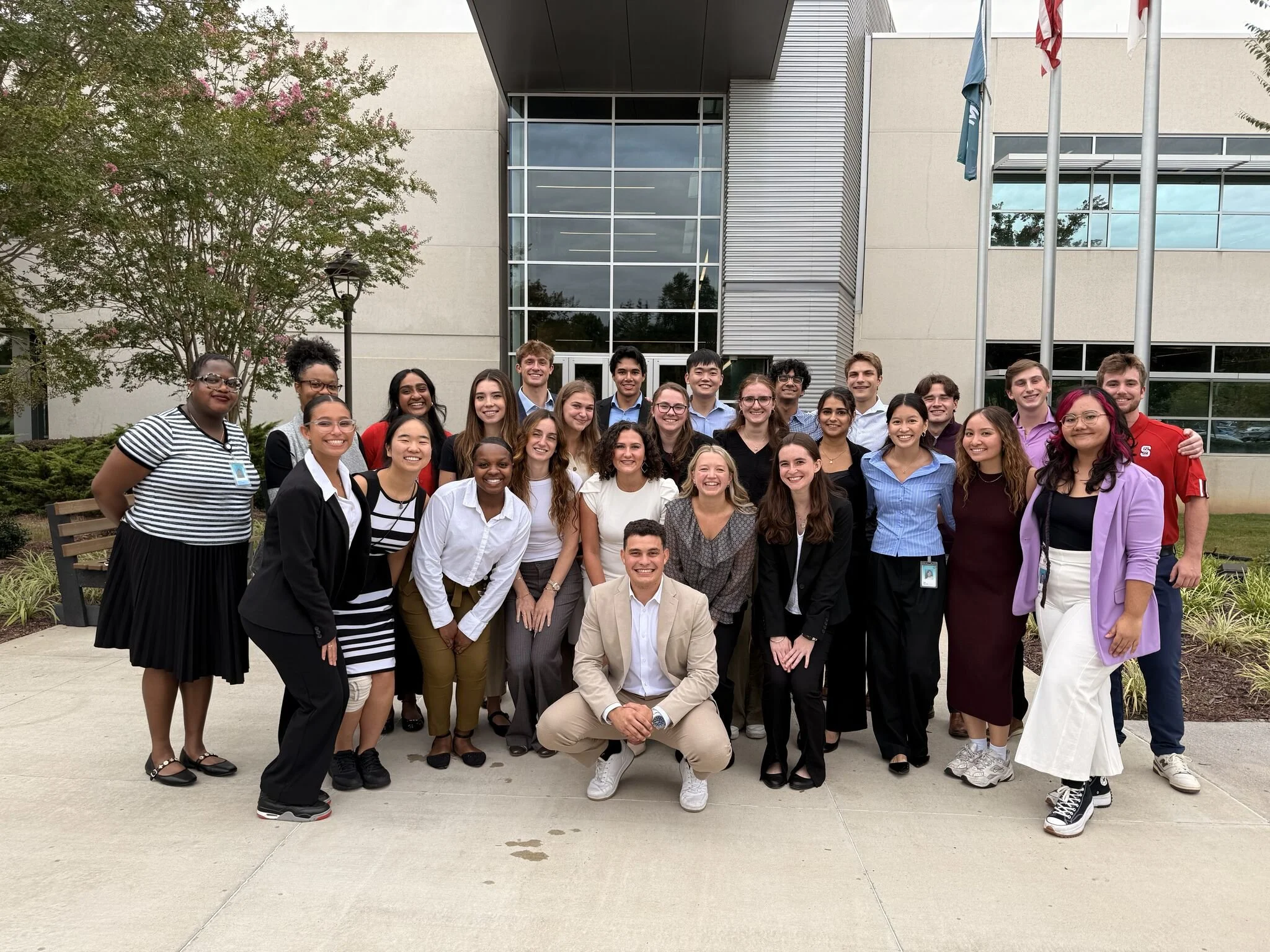
Merck cohort from Summer 2025 internship as Quality Engineer
300 hour experience: Business Behind Health at Duke
Choosing to co-found Business Behind Health at Duke has been perhaps the most entrepreneurial and challenging venture I have ever pursued. When I first met my co-founder, Gabrielle Perry, in Silicon Valley we shared the same vision - a community of innovators inspiring and supporting the future of healthcare. What we set out to create was a one-day conference where we could bring together students of all disciplines and foster important conversations about the future of healthcare. The Duke Business Behind Health Conference 2025 brought together over 130 students, 30 industry professionals, five panelists, and a keynote speaker, representing companies like Nasa, Medtronic and Clearview, featuring panels such as Holistic Health: Eat Well, Feel Well and Capitalizing on Care: Innovation in Health.
The conference was the fuel to light a fire of much greater magnitude. Now, we have more than doubled our student engagement and built three more avenues of participation: our incubator program (we connect students to develop solutions for local healthcare organizations), corporate events (resume workshops, career panels, coffee chats) and alumni speed networking. This year’s conference aims to tackle a simple yet powerful question: How is healthcare being revolutionized right now? With a theme of the New Health Order, we aim for every student and professional to leave our conference feeling inspired and passionate about avenues for change within healthcare. We aim to go beyond presenting traditional pathways, and push the frontiers towards healthcare innovation, whether that is through digital health, AI applications, policy reform, investment portfolios, or the expansion of all.
Last year, our conference featured Elizabeth Clayborne, the CEO and founder of NasaClip. She bravely exposed all students to the harsh reality of entrepreneurship within healthcare: there is an extreme resistance to change. Unlike other industries like technology, healthcare is an interconnected, complex web of decisions, regulations, leaders and big companies that can make it hard for new startups and ventures to succeed. Thus, understanding the “game” is absolutely essential to becoming a “player”, which is why I not only view DBBH as a community, but a fundamental movement to provide the real education and opportunities in healthcare.
This experience connects directly to my Innovation & Entrepreneurship (I&E) pathway by allowing me to explore how innovation operates within vastly different organizational contexts. Through Duke in Silicon Valley (I&E 271), I was immersed in the fast-paced, risk-tolerant culture of startups, where innovation happens rapidly and iteratively. At Merck, I experienced the opposite landscape—where innovation is highly structured, data-driven, and integrated within complex regulatory and operational systems. Seeing both extremes broadened my understanding of how organizations of any size can foster innovation, whether through agile experimentation or disciplined process optimization. This dual perspective reinforced my interest in bridging entrepreneurial agility with scientific rigor to develop scalable solutions in healthcare and life sciences.
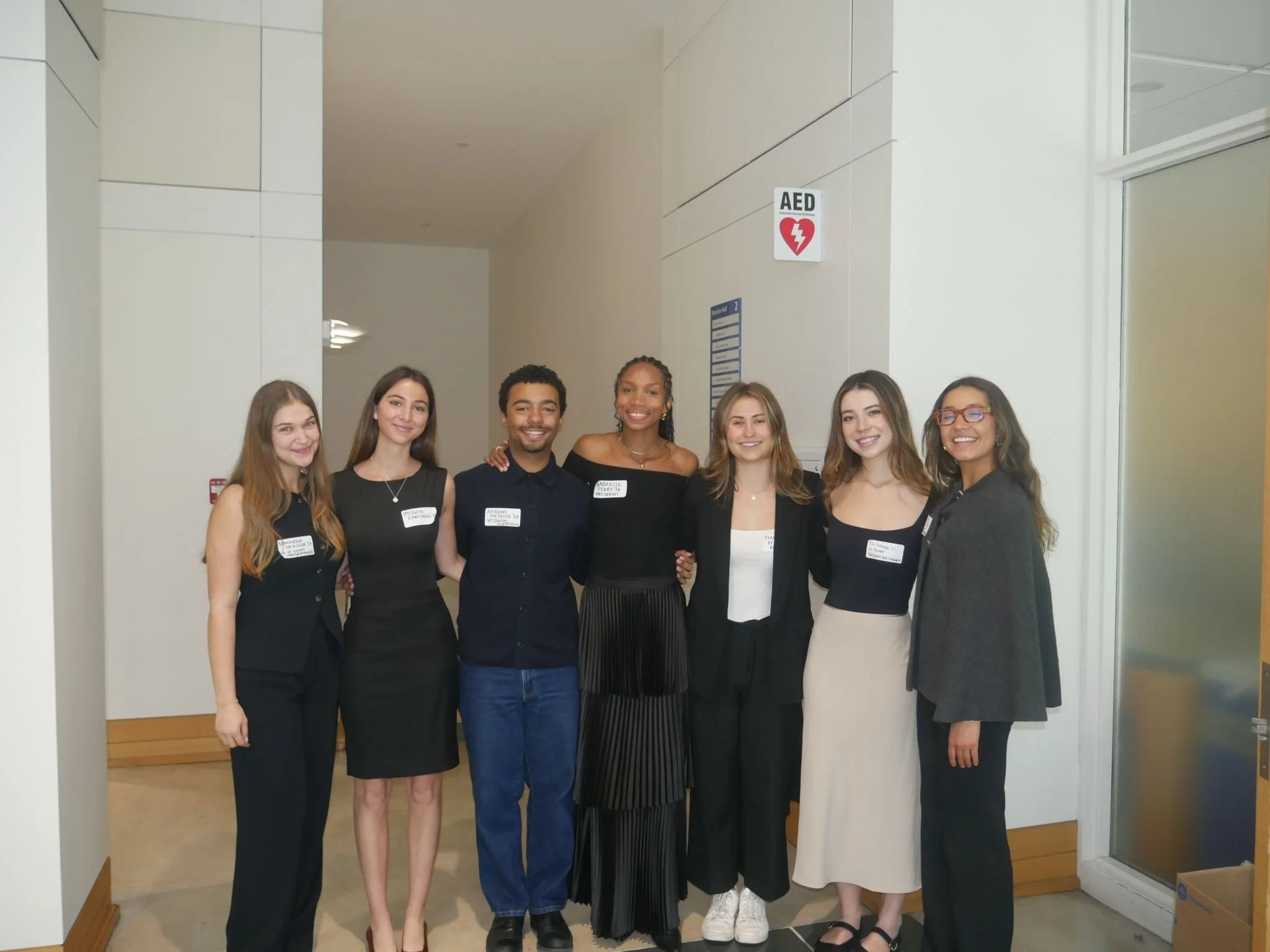
Part of DBBH Exec Team at Conference ‘25
Experiences
150 hour experience: Merck Internship
This summer, I completed a 10-week internship at Merck & Co., a global biopharmaceutical company dedicated to discovering, developing, and manufacturing innovative vaccines and medicines that improve and save lives. As a Quality Engineering Intern in Vaccine Manufacturing, I focused on optimizing workflow efficiencies for batch record review, a critical quality process in vaccine production. I conducted a comprehensive capacity and demand analysis, developed computational models to visualize workload distribution, and collaborated with cross-functional teams to identify operational barriers. Ultimately, I aided in reducing review cycle times by 17%.
Work Product
Summary of my deliverables and experience at Merck as it relates to the I&E certificate.

Presentation outlining my work product from Merck internship
Final Reflection
Reflection of my I&E experience in relation to my Duke experience as a whole.
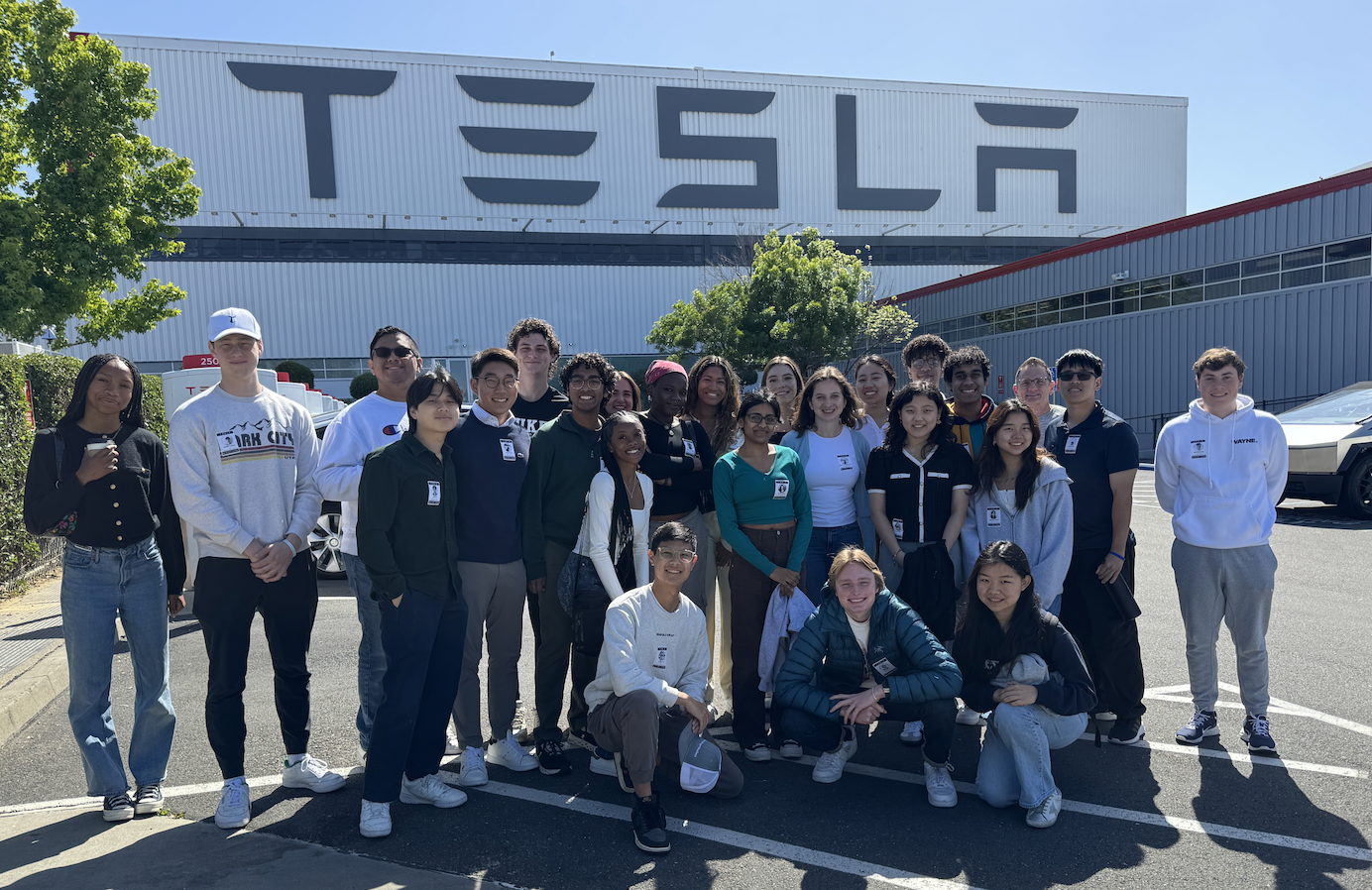
My cohort of Duke in Silicon Valley at Tesla headquarters, May 2024
My passion for Innovation & Entrepreneurship began with my first course, Duke in Silicon Valley (2024). Being immersed in the energy, creativity, and speed of startups fundamentally shifted how I viewed problem-solving and impact. Two years later, in my capstone experience, I was able to come full circle—applying the business strategies, frameworks, and leadership skills I once studied to a real venture. Through New Ventures Development, I didn’t just learn about startups—I experienced them. I explored concepts like product-market fit, customer validation, and marketing strategy, but more importantly, I learned how to execute. This experience pushed me beyond theory into action, where ambiguity, iteration, and decision-making define progress.
By learning from Fede and Dani (founders of Pacto), who emphasized the importance of humility and passion in building a company, I learned the willingness to iterate, seek feedback, and put in the work to improve your business is truly what it means to be a founder. One of the most valuable takeaways I will carry forward is the idea of breaking early-stage startups into small, testable experiments. By validating specific hypotheses, such as consumer demand, this approach removes the pressure of making high-stakes decisions too early and instead encourages continuous learning and iteration. Equally impactful were the interpersonal lessons. I developed a deeper understanding of team dynamics, founder relationships, and the importance of feedback culture in building something meaningful. I learned that strong ideas alone are not enough—successful innovation depends on alignment, communication, and adaptability.
Overall, this journey has transformed how I approach challenges. I now think not just as a student or engineer, but as a builder—someone who can take an idea, test it, refine it, and bring it to life. This mindset will continue to shape how I approach opportunities in healthcare, business, and beyond.
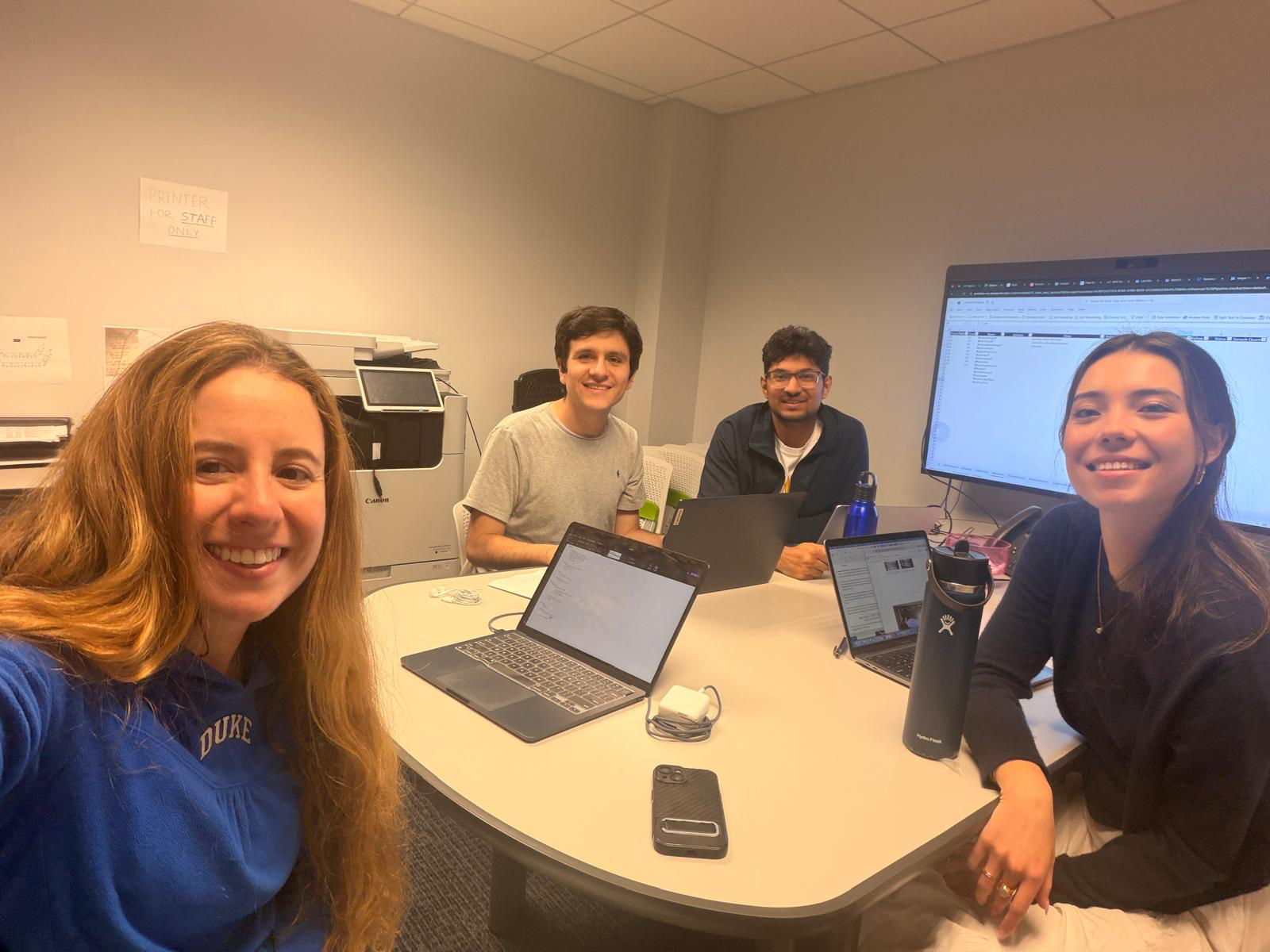
Pacto team meeting, March 2026
“Logic will get you from A to B. Imagination will take you everywhere.”
—Albert Einstein